
Both Things at Once
A digital artist navigating the tactile rebellion
I grew up in the sweet spot. Slightly analog, early digital. VHS tapes, one family computer, library books, climbing trees, a Walkman, and a CD case I showed off on the bus to prove I was cool. I've been around long enough to watch the whole arc, and if I'm honest, things started to feel complicated when social media arrived. These aren't new opinions. Just my version of growing up inside history.
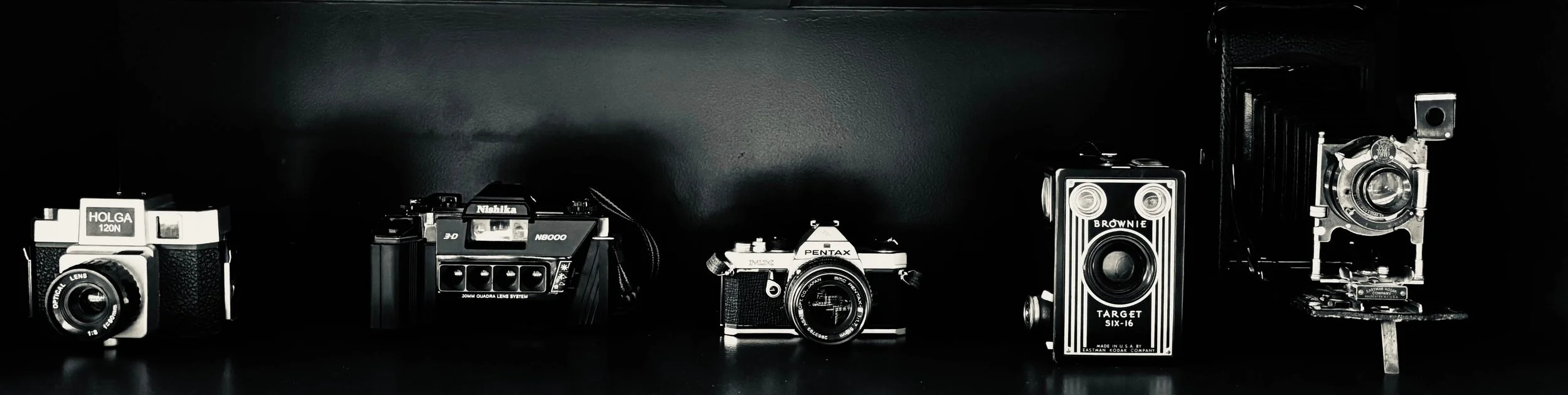
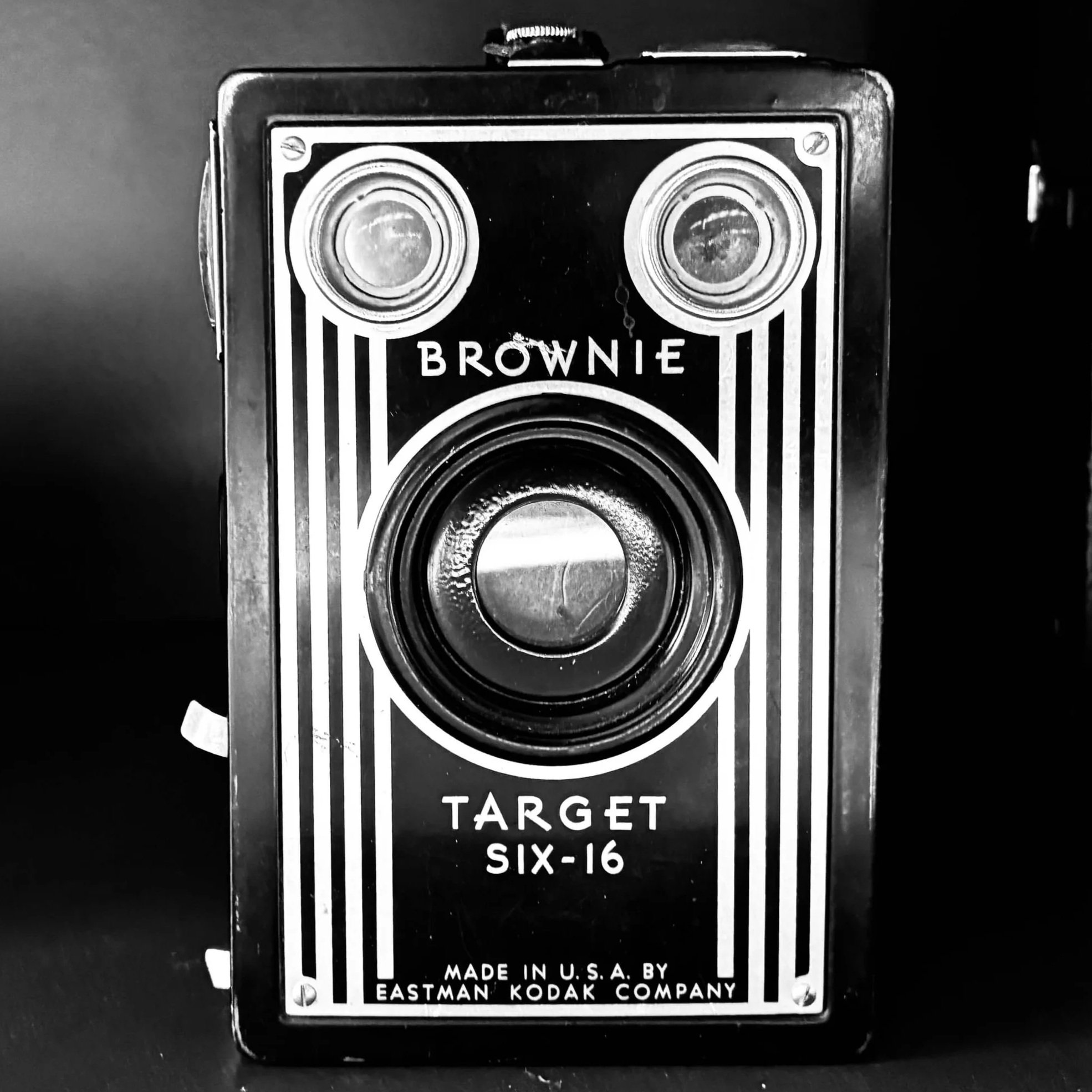
Here's the thing nobody says out loud: it took photography less than sixty years to go from radical scientific innovation to widely accepted art form. From Niépce's first fixed image in the early 1800s, capturing the world through light sensitive materials and a controlled aperture, to a medium everyone claimed as their own. Painters called it a cheat, a shortcut, a machine doing what hands should do. Graham Clarke observed that within those sixty years, photography moved from the exclusive domain of its early pioneers to one of the most accessible and accepted forms of visual representation. (What is a Photograph, p. 19) Now everyone is a photographer, and everyone has access to an AI assistant. Don't pretend you don't use it. I don't say that as an accusation. I say it because I think the reckoning happening right now around AI art is the same argument, just moving faster. The legitimacy of digital art has always been contested. AI just ripped the bandage off.
What does it mean to be a digital artist in 2026?
I've been practicing digital collage for 16 years. I started painting and drawing as a child, fell in love with photography in 2011, and never looked back. The medium felt exciting and limitless, seeing the world as something already made, then telling a story through intentional and sometimes spontaneous framing. It's all about seeing and capturing with the right settings.
From there I built out my post production practice: digital tools, color spaces, careful storage, the latest technology. The transformation from simple photographs to finished composition became a kind of science to me. And every collage starts the same way, playful, then obsessive. It takes countless attempts to finally land somewhere worth being excited about. That process is mine. It has been for sixteen years.
So when AI art started getting serious heat in the art world, my heart sank.
My style, digital, layered, assembled from photographic fragments, would be marked. I would be questioned. And I wasn't wrong. I get asked about my process regularly now, and I've started to wonder whether it's genuine curiosity or whether viewers need proof. I've begun screen recording my collage sessions and sharing clips. They take up a lot of storage, and I'm not sure they're actually convincing anyone of anything. It's starting to feel less like sharing process and more like documenting myself against an accusation.
So I took it back. I still screen record, but I choose when and why. The camera rolls when the process is worth sharing, not when I feel like I have to prove something.
I'm not alone in feeling the ground shift. As of 2023, 89% of artists felt current copyright laws do not protect them from generative AI technology, and that uncertainty has a way of making everyone a little defensive, a little watchful. (Source: Book An Artist Survey, 2023)
What has the AI art boom actually changed?
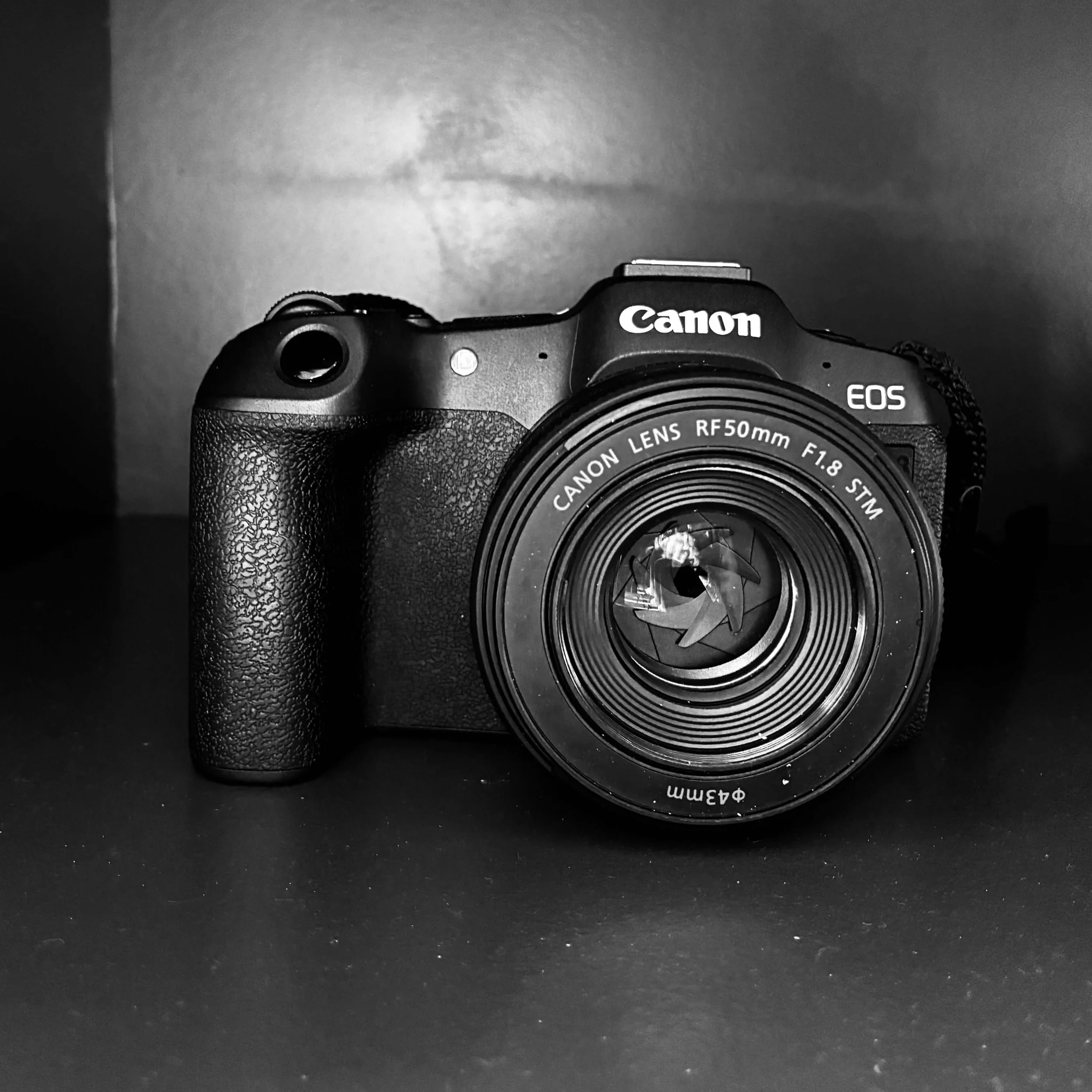
We're all paying closer attention. To backgrounds. To textures. To subtle inconsistencies and impossible lighting. We're getting better at seeing past flawless imagery that is, in reality, just fantasy, fake interiors, fake people, fake skin. And it's interesting that we're so offended by this, when social media and influencers started it long before any chatbot arrived. We've been performing ourselves online for years, filtered skin, curated interiors, highlight reels. AI didn't invent the fake world. It just industrialized it.
Designers have started calling it "the tactile rebellion." As AI images flood our feeds, audiences are developing an intuition for them, images that are too perfect start to feel sterile, untrustworthy, slightly off. The response, across disciplines, has been to reach for imperfection on purpose. Creative Bloq named it a defining design shift for 2026, noting that brands and designers are moving away from AI perfection toward handmade, human centered aesthetics. (Source: Creative Bloq, 2026)
The numbers back this up. Kodak's film sales surged 20% in 2024, and 40% of film photography users now describe it as a form of digital detox. Vinyl LP sales hit 43.6 million units in 2024, the 18th consecutive year of growth, driven largely by Gen Z, a generation that grew up entirely digital and is choosing analog anyway. (Sources: ArtByPino, 2025; RIAA, 2024)
This isn't nostalgia. It's a hunger for things that carry evidence of their own making.
Should digital artists be experimenting with AI?
I think it's the responsibility of any digital artist to stay current on the tools being discussed, especially if you're going to have an opinion about them. But I'll also say this: it's genuinely hard to get right, and we are all starting to see past the illusion, which tells me the window on "good enough" AI imagery is narrowing faster than people think.
In my own practice, I only use a generative tool for something I could have done myself using the spot removal brush, which was introduced in Photoshop CS2 (2005). I apply the same rule I once heard about real estate photography: you can only remove what could realistically be fixed or removed in real life. I'm thinking about integrity the same way.
Why are digital artists turning to analog right now?
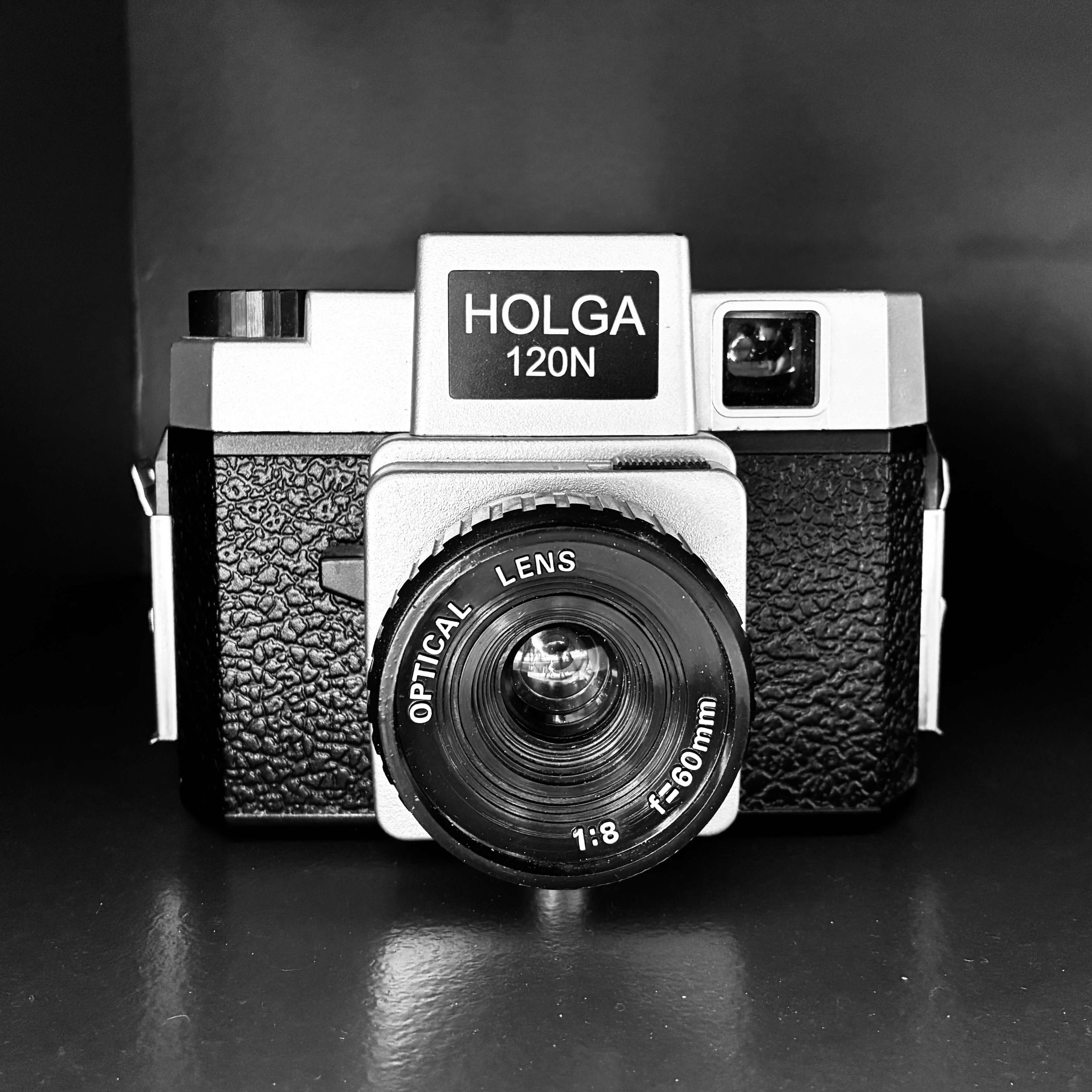
I've been exploring physical collage and analog photo manipulation alongside my digital work. This month I printed images onto Shrinky Dink sheets and baked them, watching digital imagery warp and compress into something that felt, for the first time in a while, genuinely surprising. The material pushed back. That resistance was the point.
Digital art still has a place. It is, unfortunately, still too early to tell what the long term impact of AI will be on the digital work being made today. I'm confident that artificial intelligence will find its place in the art world, just as photography did, slowly, then all at once, then accepted as obvious.
How can you tell if a digital artwork is AI generated?
If you ever question whether something I've made is mine, ask me. I'm happy to show a contact sheet of every image used in a collage. I can show you RAW files on screen, not send them, because unedited originals are intellectual property you haven't purchased, but I will show you. Not because I owe anyone proof, but because I'm proud of the process. And I think that pride, in the slow, obsessive, deeply human act of making something, is exactly what this moment is asking us to hold onto.
In the meantime, I'm printing on giclée, limiting editions on larger works, and thinking carefully about what it means to make an art object in 2026. Every deliberate choice adds up. Every piece that has a certificate, a signature, and a frame is a small argument for the handmade.
That's the argument I want to keep making.
Emma Hood is a fine art photographer and digital collage artist based in Boise, Idaho. She is represented by Idaho Art Gallery and Pivot Gallery.
